Serving Southern Oregon since 1976
Ford: (541) 507-8476Acura: (541) 588-5195
Dog-friendly cars in Southern Oregon

Bring the dog.
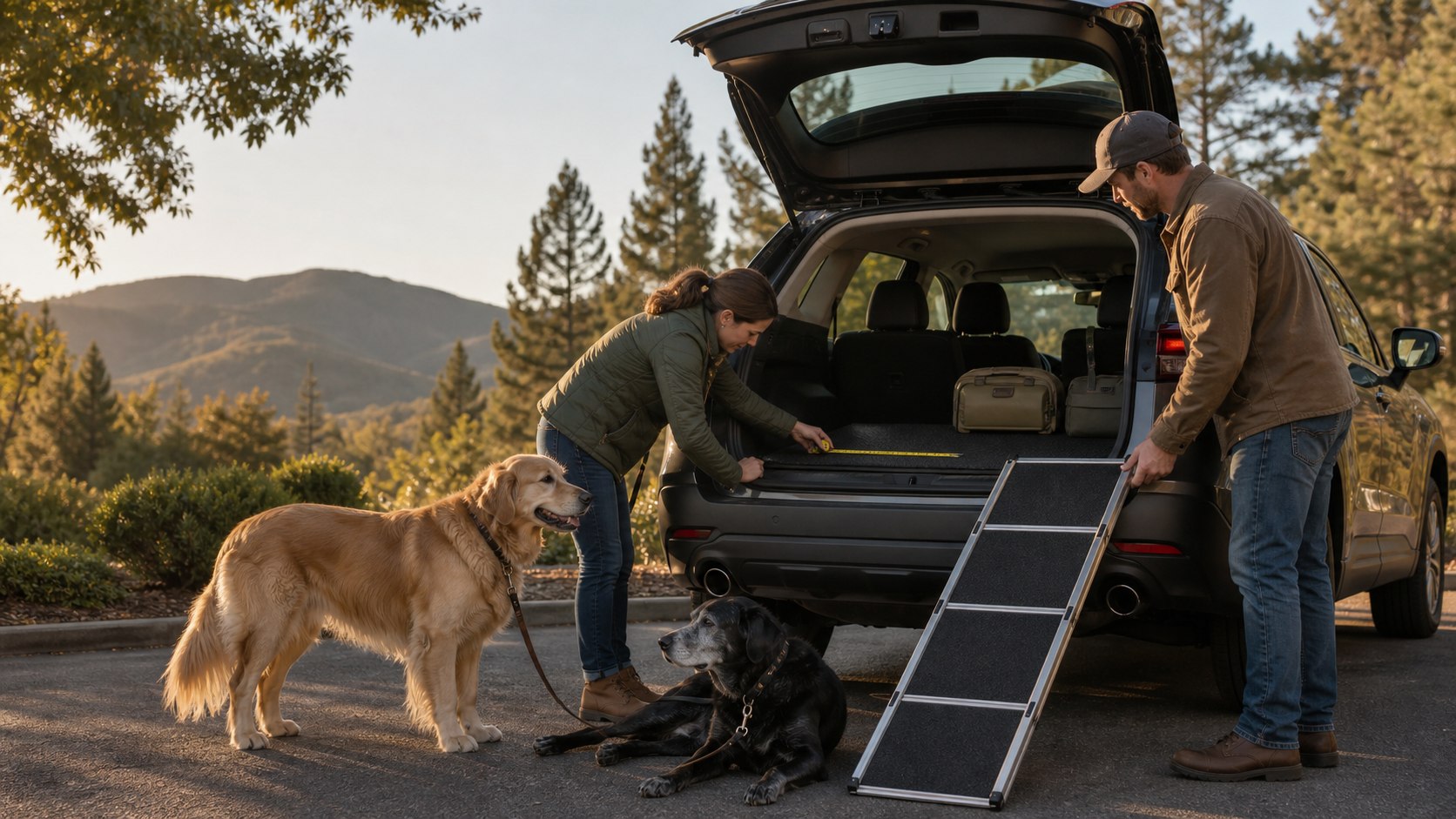
Measure the car.

The right vehicle has to work for everyone in it—including the passenger who sheds. Build a quick fit card for your dog, then use it to compare real cargo floors, doors and back seats at Butler in Ashland.

A shopping guide, not a crash-safety rating. Your dog, restraint and vehicle must be checked together.

Dog owners measure an SUV cargo floor beside a golden retriever and an older black Labrador in Southern Oregon
The number on the spec sheet is only a start. The narrowest usable width and the height of the cargo opening decide whether your setup actually fits.
01 Dog-to-car fit planner 02 Live local inventory 03 Veterinary travel guidance
Start with the passenger who cannot speak up

How much dog room do you need?

Breed gets you into the neighborhood; a tape measure gets you to the right address. Choose a starting point below, then replace the estimates with your dog’s actual standing measurements whenever you can.

1
Tell us who is ridingNo email. No signup. Just a more useful shortlist.
Fine-tune the estimate inches

These breed values are broad planning estimates, not standards. Dogs of the same breed vary. Measure your own dog before buying a restraint or vehicle.

What the cargo-volume number leaves out

Six checks worth doing with the hatch open.

01

Restraint before rectangle

Decide whether you are shopping around a back-seat harness, carrier or travel crate. Then measure the restraint’s outside dimensions. A big cargo area is no help when the opening is too short or the crate cannot be secured as its maker requires.

02

Usable floor, not cubic feet

Find the narrowest point between wheel wells, the flat floor depth with seats up, the hatch opening and any slope. Dog gear needs a rectangle. Published volume can hide curves, trim and a cargo lip.

03

A kinder way in

For a puppy, a long-backed dog or an older companion, compare the step from the ground and the angle of your ramp. Open the side doors, too. A lower rear seat may beat a tall SUV even when the SUV looks roomier.

04

Air where the dog rides

Turn on the climate control and sit where your dog will be. Check for rear vents, airflow around a crate and glass exposure. Climate features help on the road; they do not make an unattended parked car safe.

05

People and muddy gear

Put the child seat, hiking pack, water bowl and crate on the same plan. Fold-flat seats are useful only if you can actually spare them. Look for washable mats, a low cargo lip and trim you can wipe without a toothbrush.

06

Anchor points with an answer

Cargo hooks are not automatically pet-restraint anchors. The Center for Pet Safety recommends confirming cargo-area connection strength with the vehicle manufacturer. Ask what each point is designed and rated to hold.

On the ground in Ashland

Good shapes to put on the tape.

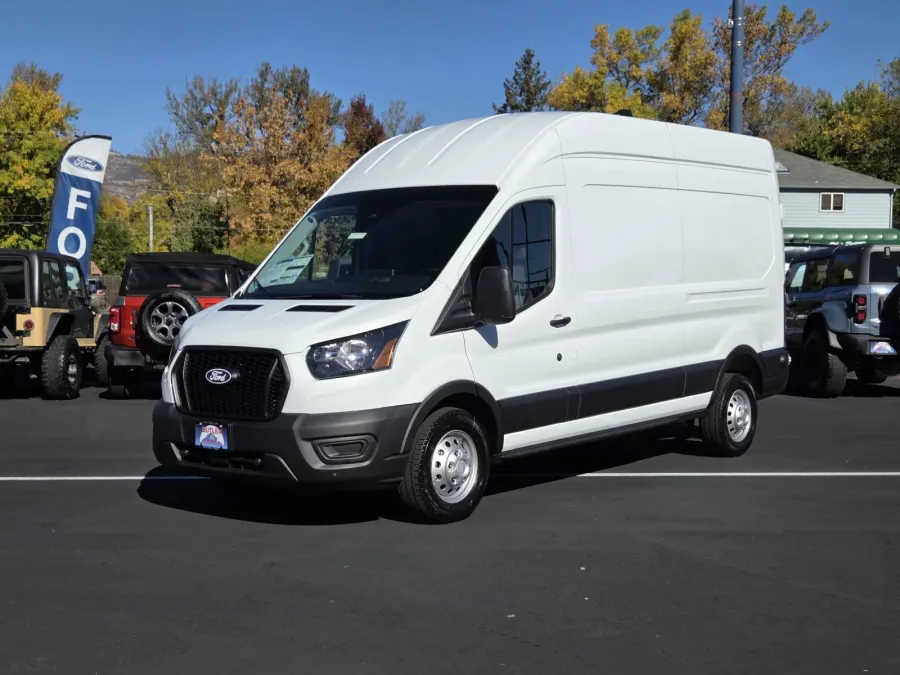
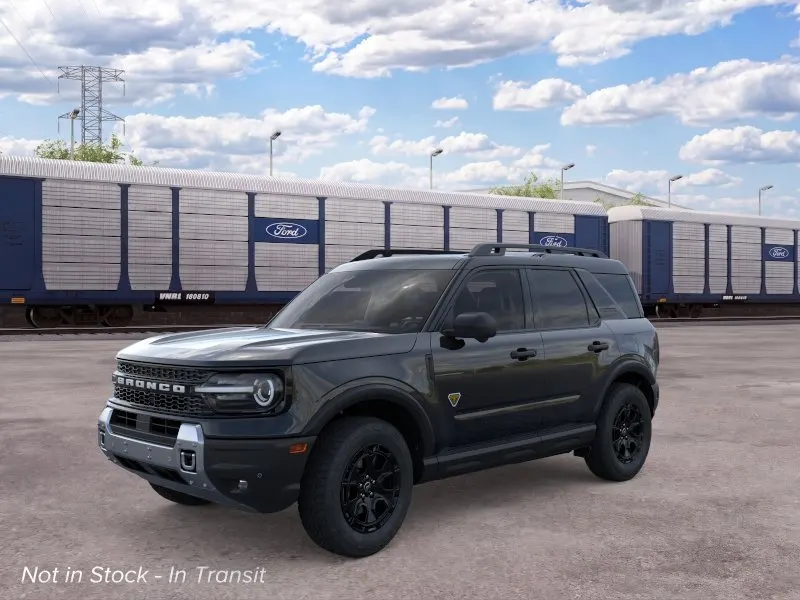
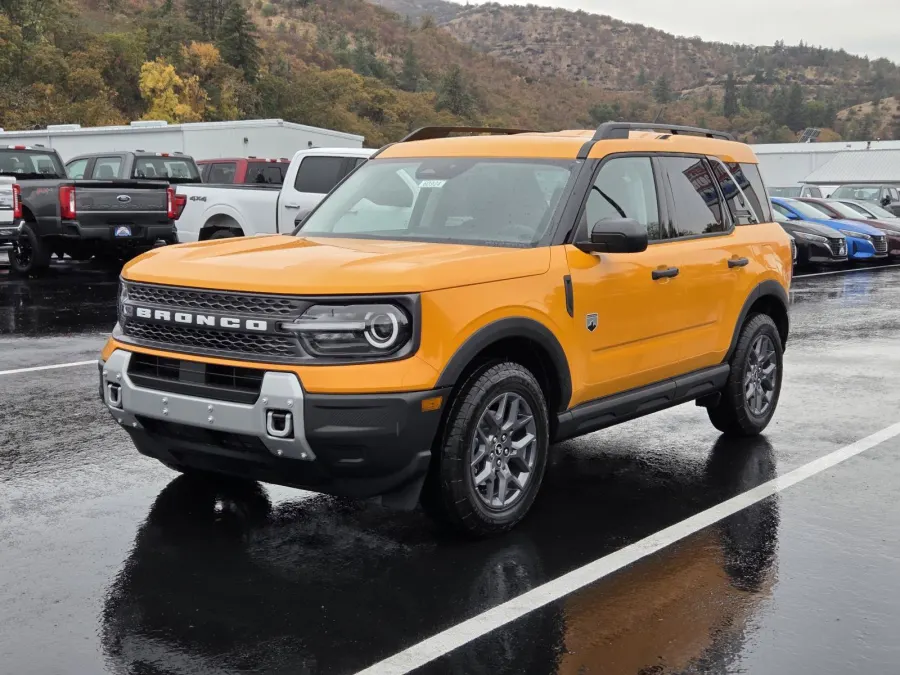
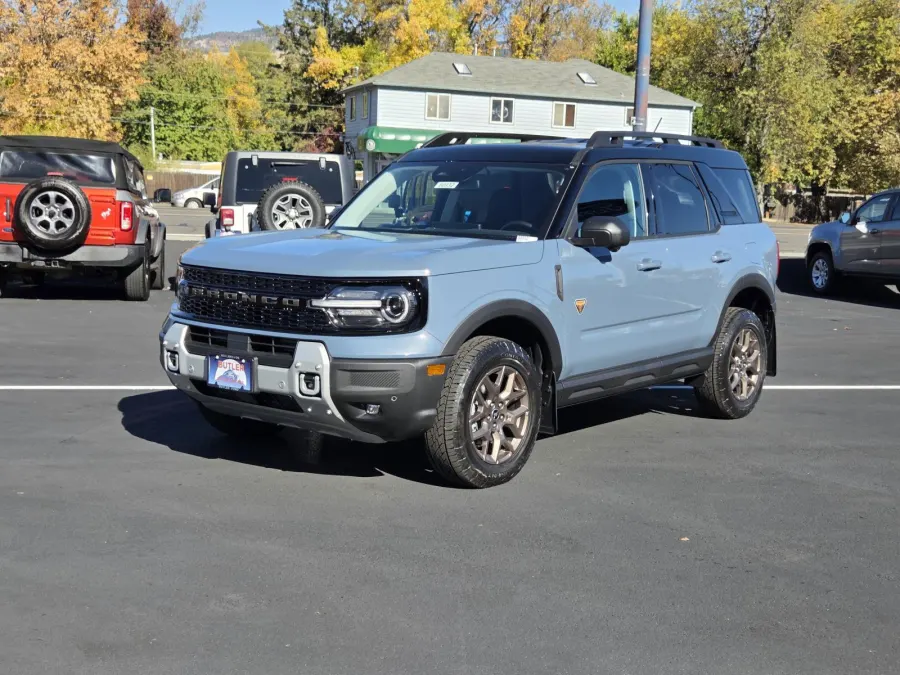
These SUVs, crossovers, vans and hatchbacks are in Butler’s published inventory now. We have not certified them as dog-safe or verified a particular crate fit. Think of them as a practical place to begin measuring.

Built for Rogue Valley routines

Test the Tuesday drive, not only the dream trip.

Picture the ordinary loop: home to the vet, a grocery stop with another adult staying with the dog, then a walk before the ride back. That trip exposes the details a mountain-road photo never will—door clearance in a tight parking space, where the leash goes, and whether a wet dog blocks the rear view.

Ashland’s two-acre dog park at 950 Perozzi Street has water and an off-leash enclosure. Lithia Park itself excludes dogs, though the city maps permitted walks around its edges. Medford lists off-leash areas at Bear Creek, Hawthorne and Cedar Links parks. Check current city rules before you set out.

See the local and safety sources
  1. BeforeLoad the real setup

    Crate or harness. Ramp. Bed. Water. The humans’ normal bags. Do not test an imaginary empty car.

  2. DuringListen and look back

    Notice floor vibration, crate rattle, sightlines and whether rear air reaches the dog zone with the cabin comfortable.

  3. AfterUnload without a scramble

    Park as you would at home. Clip the leash before a door opens. Check the ramp angle and the space you need behind the hatch.

10 minutes A cracked window is not a heat plan.

The CDC says a parked car can gain almost 20°F in the first ten minutes, even with a window cracked.

The non-negotiables

A calm ride starts before the engine does.

FDA guidance puts a properly restrained dog in the back seat, away from a front airbag. Let a nervous traveler learn the harness or crate in short, low-stakes sessions before a long drive. For motion sickness, medication or a dog whose health makes travel difficult, talk with your veterinarian.

  • Plan a break when the drive runs longer than a couple of hours.
  • Keep the leash within reach before any door or hatch opens.
  • Carry water, medications, ID and an emergency veterinary contact.
  • Never let a dog ride on the driver’s lap or with its head out the window.
Questions before the test drive

Straight answers for dog people.

The honest answer is sometimes “bring the tape.” That is still better than discovering the problem after the paperwork.

What makes a car dog-friendly?

Start with the restraint setup, then look at the usable floor shape, rear-door or hatch opening, lift-over height, rear airflow, easy-clean surfaces and the room left for people and luggage. Cargo volume alone cannot tell you whether a particular crate will fit.

Is an SUV always the best vehicle for a large dog?

No. An SUV may offer useful cargo space and ground clearance, but its load floor can be high. A hatchback, wagon or minivan may give an older or mobility-limited dog an easier step and a more practical ramp angle. Measure the actual vehicle rather than choosing from body style alone.

Where should a dog ride in the car?

FDA travel guidance says the back seat, with the dog properly restrained in a crate, carrier or safety harness, is the safest place. The right product and installation depend on the dog, restraint and vehicle. Ask the vehicle manufacturer before relying on cargo-area anchors because those points are not necessarily rated for restraining a pet.

Can I bring my dog or travel crate for a test fit at Butler?

Call Butler Ford or Butler Acura before you visit so the team can confirm the current pet policy and set aside time for a careful test fit. Bring the outside dimensions of your crate or restraint, a tape measure and a clean blanket. Keep your dog leashed while visiting.

Can I leave my dog in a parked car for a few minutes?

The CDC says never leave a pet in a parked car. Even with a window cracked, the temperature inside can rise almost 20 degrees in the first 10 minutes. Plan shopping and travel stops so your dog can come with you or stay with another responsible adult.

Reviewed sources

Where this guide gets its footing.

Safety guidance changes, and individual dogs need individual care. These are the primary and veterinary references used for this page; review them and ask your veterinarian about your dog.

Source review: August 2026. This educational guide does not replace veterinary advice, vehicle instructions or restraint-manufacturer instructions.

Bring the measurements

We’ll bring the tape.

Call ahead, tell us who is riding, and we’ll help you compare real vehicles at Butler Ford or Butler Acura in Ashland.

Contact Butler

Check availability

Tell us how to reach you and we’ll confirm the price and availability.

Provide an email address or phone number. By submitting, you agree Butler may contact you about this request. No purchase is required.

Payment planning tool

Calculate your payment

Adjust the numbers to explore a comfortable monthly payment before you contact our team.

For planning only. This is not a credit decision or financing offer. Actual payment, APR, taxes, fees, lender approval, and trade value may vary.